
Geneoscopy Appoints Dr. Haytham Gareer as Chief Medical Officer
Seasoned medical affairs executive to advance company's diagnostics product pipeline
ST. LOUIS, Mo., Oct. 18, 2021 /PRNewswire/ -- Geneoscopy Inc., a life sciences company focused on the development of diagnostic tests for gastrointestinal health, today announced it has named Haytham Gareer, MD, Ph.D. to serve as the company's Chief Medical Officer. A trained surgical oncologist, Dr. Gareer brings two decades of medical and clinical affairs experience and will serve a critical role in Geneoscopy's efforts to launch its non-invasive, RNA-FIT colorectal cancer screening test. Additionally, he will focus on expanding Geneoscopy's portfolio of gastrointestinal diagnostics, leveraging its proprietary and innovative RNA biomarker technology platform.

"The COVID-19 pandemic has highlighted the importance of test sensitivity, as well as providing a means for convenient, at-home screening options, especially for cancer," commented Dr. Gareer. "Geneoscopy's novel approach utilizes RNA extracted from patient stool samples and provides the sensitivity necessary to detect pre-cancerous polyps and early-stage disease. Although the initial focus is on colorectal cancer detection and prevention, the company's robust platform has the potential to address a broad range of unmet needs in managing gastrointestinal conditions. I am excited to join this talented team and drive its mission forward."
Most recently, Dr. Gareer served as Vice President, Global Head of Medical and Clinical Affairs for Olympus Corporation, responsible for leading clinical research efforts, collaborations with key medical advisors, and providing critical insights to support commercialization and technology development across the company's broad portfolio of medical products. Before joining Olympus, he was a practicing surgeon and endoscopist with international experience in Egypt, Italy, and Japan. Dr. Gareer received his MD in surgical oncology from Cairo University, National Cancer Institute, Egypt, and a Ph.D. in Surgical Sciences and Hepatobiliary and Pancreatic Illnesses from the University of Verona, Italy. He holds a Masters in Minimal Invasive Surgical Technology from Italy, an MBA from Hult International Business School, and is currently completing a Masters in Applied Healthcare Economics and Outcomes Research from Jefferson University.
"We are pleased to welcome Haytham to the Geneoscopy team. He is a proven medical affairs leader with an impressive track record developing and executing successful clinical strategies, with key gastrointestinal clinical expertise," commented Andrew Barnell, Geneoscopy's co-founder and Chief Executive Officer. "It is a very exciting time for the company, and Haytham's expertise will be critical as we accelerate towards several key clinical and development milestones."
To learn more about the CRC-PREVENT clinical trial and join the fight to help prevent colorectal cancer, visit https://cv.colonscreeningstudy.com/.
About Geneoscopy Inc.
Geneoscopy Inc. is a life sciences company focused on the development of diagnostic tests for gastrointestinal health. Geneoscopy's lead diagnostic uses stool-derived eukaryotic RNA (seRNA) to detect colorectal cancer and precancerous adenomas. This device was awarded Breakthrough Device Designation from the US FDA for its ability to reduce morbidity associated with colorectal cancer through advanced adenoma detection. Indicative of its breakthrough status, preliminary trials suggest that the diagnostic can detect these lesions at a higher rate than all existing noninvasive screening tests. Visit geneoscopy.com to learn more.
Geneoscopy Inc. Forward-Looking Statements
The information contained in this release includes information about Geneoscopy's future plans concerning its noninvasive molecular test that can detect colorectal cancer and precancerous adenomas, and as such constitute forward-looking statements. These forward-looking statements are based upon the Company's reasonable estimates of future results or trends. Because forward-looking statements relate to the future, they are subject to inherent uncertainties, risks and changes in circumstances that are difficult to predict and many of which are outside of the Company's control. Geneoscopy's actual results and financial condition may differ materially from those indicated in the forward-looking statements. Although the Company believes that its business plans and objectives reflected in or suggested by these forward-looking statements are reasonable, such plans or objectives may not be achieved and the actual results may differ substantially from the projected results.

Geneoscopy Honored by Goldman Sachs for Entrepreneurship
Andrew Barnell, CEO, Among 100 Most Intriguing Entrepreneurs at 2021 Builders + Innovators Summit
ST. LOUIS, Oct. 13, 2021 /PRNewswire/ – Geneoscopy Inc., a life sciences company focused on the development of diagnostic tests for gastrointestinal health, today announced that Goldman Sachs (NYSE: GS) is recognizing the company's co-founder and CEO, Andrew Barnell, as one of the 100 Most Intriguing Entrepreneurs of 2021 at its Builders + Innovators Summit in Healdsburg, California.

Goldman Sachs selected Barnell as one of 100 entrepreneurs from multiple industries to be honored at the two-day event. Barnell began his career with J.P. Morgan's healthcare investment banking group, working primarily on M&A and capital markets transactions. Prior to co-founding Geneoscopy, he was an associate at Lindsay Goldberg, a middle-market private equity firm focused on partnering with family-owned businesses. Barnell holds a BA in Applied Economics and Management, with a specialization in Finance, from Cornell University and earned an MBA in Health Care Management and Entrepreneurial Management from The Wharton School.
"We are honored to have Andrew recognized as part of this distinguished group of entrepreneurs," commented Vince Wong, Geneoscopy's Chief Commercial Officer. "With an initial focus on colorectal cancer prevention, Geneoscopy's technology is poised to transform gastrointestinal health by enabling earlier detection, more accurate diagnosis, and more effective therapeutic management. It is exciting to have Andrew's vision for the company recognized, validating the significant impact it will have on shaping the future of gastrointestinal health."
"Innovation doesn't happen just anywhere; it thrives where there's a wide range of thoughts and perspectives," said David M. Solomon, Chairman & CEO of Goldman Sachs. "One of our great strengths is our ability to bring together people from different walks of life and to spark conversations today that will lead to breakthroughs tomorrow. The leaders we've chosen to highlight at our Builders + Innovators Summit are truly remarkable, and we are pleased to recognize Andrew as one of this year's most intriguing entrepreneurs."
In addition to honoring 100 entrepreneurs, the summit consists of general sessions and clinics led by seasoned entrepreneurs, academics, and business leaders as well as resident scholars.
About Geneoscopy Inc.
Geneoscopy Inc. is a life sciences company focused on the development of diagnostic tests for gastrointestinal health. Geneoscopy's lead diagnostic uses stool-derived eukaryotic RNA (seRNA) to detect colorectal cancer and precancerous adenomas. This device was awarded Breakthrough Device Designation from the US FDA for its ability to reduce morbidity associated with colorectal cancer through advanced adenoma detection. Indicative of its breakthrough status, preliminary trials suggest that the diagnostic can detect these lesions at a higher rate than all existing noninvasive screening tests. Visit geneoscopy.com to learn more.
Geneoscopy Inc. Forward-Looking Statements
The information contained in this release includes information about Geneoscopy's future plans concerning its noninvasive molecular test that can detect colorectal cancer and precancerous adenomas, and as such constitute forward-looking statements. These forward-looking statements are based upon the Company's reasonable estimates of future results or trends. Because forward-looking statements relate to the future, they are subject to inherent uncertainties, risks and changes in circumstances that are difficult to predict and many of which are outside of the Company's control. Geneoscopy's actual results and financial condition may differ materially from those indicated in the forward-looking statements. Although the Company believes that its business plans and objectives reflected in or suggested by these forward-looking statements are reasonable, such plans or objectives may not be achieved and the actual results may differ substantially from the projected results.
Geneoscopy Enrolls First Patients in CRC-PREVENT U.S. Pivotal Trial
Clinical Trial Investigates Company's Noninvasive Multifactor RNA Screening Test for Colorectal Cancer Prevention
ST. LOUIS, July 12, 2021 /PRNewswire/ -- Geneoscopy Inc., a life sciences company focused on the development of diagnostic tests for gastrointestinal health, today announced the enrollment of its first patients in the CRC-PREVENT pivotal trial. The clinical study seeks to evaluate the safety and efficacy of Geneoscopy's noninvasive, at-home diagnostic screening test to successfully detect colorectal neoplasms, including advanced adenomas, in average-risk individuals, a group with no known co-morbidities associated with cancer risk and therefore more challenging to diagnose. The company's innovative diagnostic was granted Breakthrough Device Designation by the U.S. Food and Drug Administration (FDA) in January of 2020.
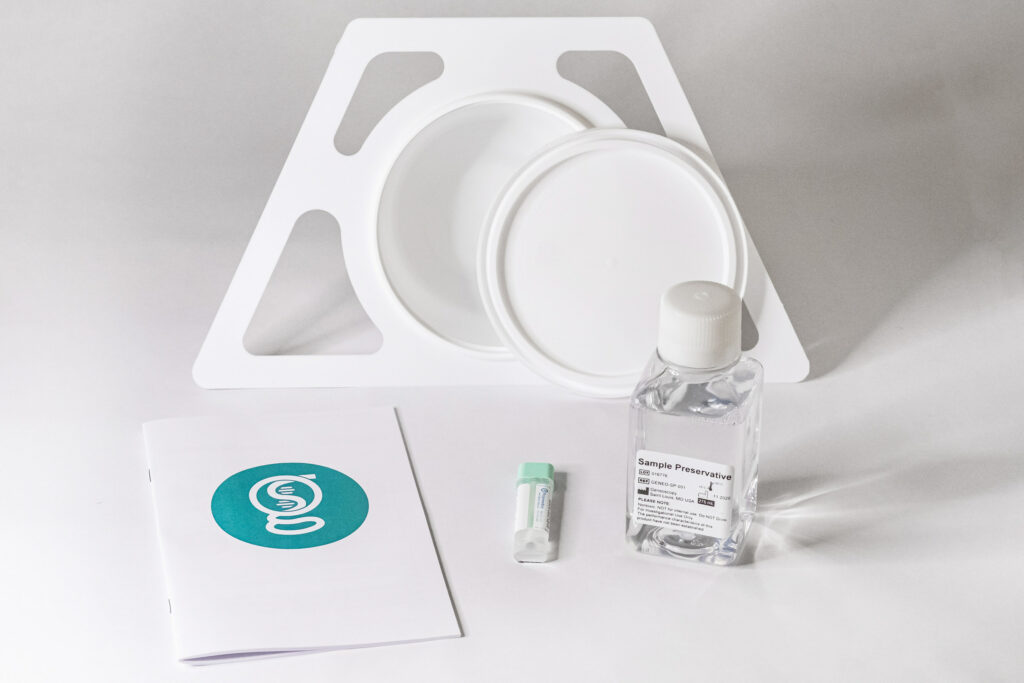
"We are pleased to initiate this important study and validate the use of Geneoscopy's RNA-FIT assay as a valuable noninvasive tool to help prevent cancer through routine colorectal cancer screening," commented Dr. Erica Barnell, Geneoscopy's co-founder and Chief Scientific Officer. "The ultimate goal of colorectal screening is cancer prevention, but this requires diagnostic screening options with the sensitivity to identify clinically relevant pre-cancerous lesions, including advanced adenomas. The RNA-FIT assay aims to deliver the necessary sensitivity and specificity in a simple, at-home collection kit."
The prospective, single-arm study will enroll more than 12,000 patients across all 48 contiguous United States. Patients will submit samples via the mail and subsequently undergo optical colonoscopy examination. All significant lesions discovered during colonoscopy will be biopsied or removed and sent for histopathology. A comparative analysis will be conducted to determine sensitivities and specificities, 00as applicable, for colorectal cancer, advanced adenomas, non-advanced adenomas, benign hyperplastic polyps, and colonoscopies without findings.
"When it comes to detecting advanced adenomas, noninvasive tests are not currently hitting a 50% threshold. Until now, only colonoscopy can detect advanced adenomas reliably," commented Dr. David Lieberman, Professor of Medicine, Division of Gastroenterology and Hepatology at the Oregon Health Sciences University School of Medicine. "A noninvasive, at-home option that successfully detects these pre-cancerous lesions would represent an important, positive step in early detection for colorectal cancer prevention."
Geneoscopy's initial clinical study demonstrated high sensitivity of its multifactor RNA-FIT assay compared with colonoscopy findings, demonstrating 95% sensitivity for colorectal cancer, 62% sensitivity for advanced adenomas, and 25% sensitivity for other non-advanced adenomas with an 85% specificity for no findings on a colonoscopy. The promising data was previously presented by Dr. Barnell, at the Association for Molecular Pathology (AMP) 2020 Annual Meeting and the peer-reviewed article recently published in Clinical and Translational Gastroenterology.
Responsible for over 50,000 deaths annually, colorectal cancer (CRC) is the second leading cause of cancer related death in the United States.1 Disease progression begins with polyps that may or may not develop into cancer over time. Early detection and treatment are crucial to improve survival; however, most newly diagnosed patients suffer from advanced disease. Colonoscopy remains the gold-standard for CRC screening in the US, yet this method is frequently met with patient aversion due to its required bowel preparation, sedation, and associated discomfort, resulting in low patient compliance. Currently available noninvasive screening methods lack sufficient levels of sensitivity to effectively and reliably detect both early-stage CRC and high-risk precancerous lesions, including advanced adenomas which are a precursor in up to 70% of CRC cases.
To learn more about the CRC-PREVENT clinical trial and join in the fight to help prevent colorectal cancer, visit https://cv.colonscreeningstudy.com/.
1Colorectal Cancer Fact Sheet, American Cancer Society, 2021.
About Geneoscopy Inc.
Geneoscopy Inc. is a life sciences company focused on the development of diagnostic tests for gastrointestinal health. Geneoscopy's lead diagnostic uses stool-derived eukaryotic RNA (seRNA) to detect colorectal cancer and precancerous adenomas. This device was awarded Breakthrough Device Designation from the US FDA for its ability to reduce morbidity associated with colorectal cancer through advanced adenoma detection. Indicative of its breakthrough status, preliminary trials suggest that the diagnostic can detect these lesions at a higher rate than all existing noninvasive screening tests. Visit geneoscopy.com to learn more.
Geneoscopy Inc. Forward-Looking Statements
The information contained in this release includes information about Geneoscopy's future plans concerning its noninvasive molecular test that can detect colorectal cancer and precancerous adenomas, and as such constitute forward-looking statements. These forward-looking statements are based upon the Company's reasonable estimates of future results or trends. Because forward-looking statements relate to the future, they are subject to inherent uncertainties, risks and changes in circumstances that are difficult to predict and many of which are outside of the Company's control. Geneoscopy's actual results and financial condition may differ materially from those indicated in the forward-looking statements. Although the Company believes that its business plans and objectives reflected in or suggested by these forward-looking statements are reasonable, such plans or objectives may not be achieved and the actual results may differ substantially from the projected results.
Geneoscopy Announces Publication of Peer-Reviewed Article Highlighting Effective Noninvasive Screening Test for Colorectal Cancer Prevention
ST. LOUIS--(BUSINESS WIRE)--Geneoscopy Inc. today announced publication of the peer-reviewed article, “Multitarget Stool RNA Test for Noninvasive Detection of Colorectal Neoplasias in a Multicenter, Prospective, and Retrospective Cohort”, which presents the results of its multifactor RNA-FIT test in Clinical and Translational Gastroenterology. The article reports high sensitivity of the company’s noninvasive, at-home diagnostic screening test to successfully detect colorectal neoplasms, including advanced adenomas, in average-risk individuals within the intended use population for colorectal cancer screening. The promising data was previously presented by Dr. Erica Barnell, Geneoscopy’s co-founder and Chief Scientific Officer, at the Association for Molecular Pathology (AMP) 2020 Annual Meeting.
In comparative analysis versus colonoscopy findings, the RNA-FIT assay demonstrated 95% sensitivity for colorectal cancer, 62% sensitivity for advanced adenomas, and 25% sensitivity for other non-advanced adenomas with an 85% specificity for no findings on a colonoscopy. The prospective study included 1,305 average risk patients and was supplemented with a 22-patient retrospective cohort of patients who were diagnosed with advanced adenomas or colorectal cancer but were sampled prior to treatment or surgical resection. All patients were evaluated with the RNA-FIT assay and an optical colonoscopy.
The RNA-FIT assay was evaluated under a robust study design. Samples were collected from individuals across all 48 contiguous United States and individuals were evaluated at over 600 different endoscopy sites. The study design will be replicated in Geneoscopy’s CRC-PREVENT Clinical Trial, which is currently underway.
“Colorectal cancer can be prevented with early detection of advanced adenomas. Screening compliance is key, and simple, at-home collection kits are emerging as an attractive option. However, it is critical that a diagnostic test has the necessary sensitivity to identify clinically relevant lesions early,” commented Dr. Barnell. “We are pleased to share results of this study and look forward to building upon this body of evidence to support the use of Geneoscopy’s RNA-FIT assay as a valuable noninvasive tool to help prevent cancer through routine colorectal cancer screening.”
Responsible for over 50,000 deaths annually, colorectal cancer (CRC) is the second leading cause of cancer related death in the United States.1 Disease progression begins with polyps that may or may not develop into cancer over time. Early detection and treatment are crucial to improve survival; however, the majority of newly diagnosed patients suffer from advanced disease. Colonoscopy remains the gold-standard for CRC screening in the US, yet this method is frequently met with patient aversion due to its required bowel preparation, sedation, and associated discomfort, which results in low patient compliance. Currently available noninvasive screening methods lack sufficient levels of sensitivity to effectively and reliably detect both early-stage CRC and high-risk precancerous lesions, including advanced adenomas which are a precursor in up to 70% of CRC cases.
The article is currently available online and is scheduled to be published in the May 2021 issue.
About Geneoscopy Inc.
Geneoscopy Inc. is a life sciences company focused on the development of diagnostic tests for gastrointestinal health. Geneoscopy’s lead diagnostic uses stool-derived eukaryotic RNA (seRNA) to detect colorectal cancer and precancerous adenomas. This device was awarded Breakthrough Device Designation from the US FDA for its ability to reduce morbidity associated with colorectal cancer through advanced adenoma detection. Indicative of its breakthrough status, preliminary trials suggest that the diagnostic can detect these lesions at a higher rate than all existing noninvasive screening tests. Visit geneoscopy.com to learn more.
Geneoscopy Inc. Forward-Looking Statements
The information contained in this release includes information about Geneoscopy’s future plans concerning its noninvasive molecular test that can detect colorectal cancer and precancerous adenomas, and as such constitute forward-looking statements. These forward-looking statements are based upon the Company’s reasonable estimates of future results or trends. Because forward-looking statements relate to the future, they are subject to inherent uncertainties, risks and changes in circumstances that are difficult to predict and many of which are outside of the Company’s control. Geneoscopy’s actual results and financial condition may differ materially from those indicated in the forward-looking statements. Although the Company believes that its business plans and objectives reflected in or suggested by these forward-looking statements are reasonable, such plans or objectives may not be achieved and the actual results may differ substantially from the projected results.
1Colorectal Cancer Fact Sheet, American Cancer Society, 2021.
Geneoscopy Appoints Don Hardison to its Strategic Advisory Board
ST. LOUIS--(BUSINESS WIRE)--Geneoscopy Inc., a life sciences company that develops diagnostic tests for gastrointestinal health, today announced the appointment of Don Hardison to the Company’s strategic advisory board.
Don brings more than 40 years of executive leadership experience in both emerging and Fortune 500 companies to Geneoscopy’s advisory board. Most recently, Don served as President and CEO of Biotheranostics up until its acquisition by Hologic in February 2021. Prior to that, Don was President, CEO and Director at Good Start Genetics. Don also served as President and CEO of Exact Sciences, where he helped oversee the company’s initial public offering. Don has also held multiple senior leadership positions at companies such as LabCorp, Quest Diagnostics, and SmithKline Beecham, where he built a strong track record in strategy development, team building, and market planning and execution.
“I am optimistic that once approved by the FDA, Geneoscopy’s stool RNA platform will provide the opportunity to deliver an industry-leading accuracy profile for CRC screening, driven by high sensitivity for precancerous adenomas,” said Mr. Hardison. “This could enable Geneoscopy’s test to serve as a much-needed aid in the prevention of colorectal cancer. I am incredibly excited to help bring this potentially transformational CRC screening product to market and to assist Geneoscopy with its broad pipeline of diagnostic products for other GI health indications with major unmet clinical needs.”
Andrew Barnell, CEO of Geneoscopy, added, “Given Don’s extensive experience in diagnostic laboratory management, commercialization, sales, marketing, strategy, and operations, we’re excited to have him join our strategic advisory board at such an important stage in our company’s journey.”
About Geneoscopy Inc.
Geneoscopy Inc. is a life sciences company focused on the development of diagnostic tests for gastrointestinal health. Geneoscopy’s lead diagnostic uses stool-derived eukaryotic RNA (seRNA) to detect colorectal cancer and precancerous adenomas. This device was awarded a Breakthrough Device Designation from the FDA for its ability to reduce morbidity associated with colorectal cancer through advanced adenoma detection. Indicative of its breakthrough status, preliminary trials suggest that the diagnostic can detect these lesions at a higher rate than all existing noninvasive screening tests.
Web | https://www.geneoscopy.com/
Twitter | http://www.twitter.com/geneoscopyco
Facebook | https://www.facebook.com/GeneoscopyCo
LinkedIn | https://www.linkedin.com/company/geneoscopy
Geneoscopy Inc. Forward-Looking Statements
The information contained in this release includes information about Geneoscopy’s future plans concerning its noninvasive molecular test that can detect colorectal cancer and precancerous adenomas, and as such constitute forward-looking statements. These forward-looking statements are based upon the Company’s reasonable estimates of future results or trends. Because forward-looking statements relate to the future, they are subject to inherent uncertainties, risks and changes in circumstances that are difficult to predict and many of which are outside of the Company’s control. Geneoscopy’s actual results and financial condition may differ materially from those indicated in the forward-looking statements. Although the Company believes that its business plans and objectives reflected in or suggested by these forward-looking statements are reasonable, such plans or objectives may not be achieved and the actual results may differ substantially from the projected results.
Geneoscopy Appoints Vince Wong as Chief Commercial Officer
ST. LOUIS--(BUSINESS WIRE)--Geneoscopy Inc., a life sciences company that develops diagnostic tests for gastrointestinal health, today announced the appointment of Vince Wong as Chief Commercial Officer.
Mr. Wong brings almost 18 years of experience from Roche Diagnostics, where he served in senior leadership roles in product marketing, sales, strategy, business development, market access, and communications. Most recently, Mr. Wong served as Roche Diagnostics’ Vice President of Sales, Point of Care Diagnostics and as Vice President / General Manager of Physician Office and Specialty Diagnostics, managing >$600M in sales. At Roche, Mr. Wong led teams serving physician groups, hospital systems, patients, biopharma, retail pharmacies, and payors in the areas of Diabetes, Oncology, Infectious Disease, and Women's Health.
"Vince is joining us at an exciting, pivotal moment and is going to be a great asset to our team at Geneoscopy," said Andrew Barnell, Geneoscopy's CEO. "The breadth of Vince's experience in commercializing innovative diagnostics globally will serve Geneoscopy well as we prepare to launch products to address unmet needs in the gastrointestinal health space."
"The Geneoscopy team has developed a platform that will have a meaningful impact on patient outcomes," said Mr. Wong. "Geneoscopy's vision and mission will enable clinicians to practice precision medicine in an area that urgently needs such an approach. I am excited to be a part of this talented team to deliver our first product in colorectal cancer screening to clinicians, patients, and payors."
About Geneoscopy Inc.
Geneoscopy Inc. is a life sciences company focused on the development of diagnostic tests for gastrointestinal health. Geneoscopy’s lead diagnostic uses stool-derived eukaryotic RNA (seRNA) to detect colorectal cancer and precancerous adenomas. This device was awarded Breakthrough Device Designation from the FDA for its ability to reduce morbidity associated with colorectal cancer through advanced adenoma detection. Preliminary trials suggest that the diagnostic can detect these lesions at a higher rate than all existing noninvasive screening tests.
Web | https://www.geneoscopy.com
Twitter | http://www.twitter.com/geneoscopyco
Facebook | https://www.facebook.com/GeneoscopyCo
LinkedIn | https://www.linkedin.com/company/geneoscopy
Geneoscopy Inc. Forward-Looking Statements
The information contained in this release includes information about Geneoscopy’s future plans concerning its noninvasive molecular test that can detect colorectal cancer and precancerous adenomas, and as such constitute forward-looking statements. These forward-looking statements are based upon the Company’s reasonable estimates of future results or trends. Because forward-looking statements relate to the future, they are subject to inherent uncertainties, risks and changes in circumstances that are difficult to predict and many of which are outside of the Company’s control. Geneoscopy’s actual results and financial condition may differ materially from those indicated in the forward-looking statements. Although the Company believes that its business plans and objectives reflected in or suggested by these forward-looking statements are reasonable, such plans or objectives may not be achieved and the actual results may differ substantially from the projected results.
Geneoscopy’s Preventive Screening Test for Colorectal Cancer and Precancerous Adenomas Earns FDA Breakthrough Device Designation
ST. LOUIS--(BUSINESS WIRE)--Geneoscopy, Inc., a life sciences company focused on the development of diagnostic tests for gastrointestinal (GI) health, today announced that its preventive screening test for colorectal cancer and precancerous adenomas earned FDA Breakthrough Device Designation. The agency's Breakthrough Devices program expedites the development and prioritizes the review of certain medical devices that provide for more effective treatment or diagnosis of life-threatening or irreversibly debilitating diseases or conditions to provide patients and health care providers with timely access to these technologies.
Geneoscopy’s preliminary data indicate that its screening test could provide a more effective method for early detection of advanced adenomas, thereby facilitating the removal of precancerous lesions that have the highest propensity for malignant transformation. Geneoscopy’s device could significantly reduce morbidity associated with the second deadliest cancer in the United States by detecting advanced adenomas at a higher rate than existing screening tests and preventing the development of colorectal cancer.
“Reduction in morbidity is the best way to reduce mortality associated with colorectal cancer,” said Erica Barnell, CSO of Geneoscopy. “We are excited that the FDA has recognized the potential for Geneoscopy’s test to improve the health of the more than 100 million Americans recommended for colorectal cancer screening.”
Geneoscopy Raises $6.9 Million to Advance Preventive Screening Test for Colorectal Cancer and Advanced Adenomas
ST. LOUIS--(BUSINESS WIRE)--Geneoscopy, Inc., a life sciences company focused on the development of diagnostic tests for gastrointestinal (GI) health, today announced a successful and oversubscribed $6.9 million Series A financing. The Company plans to use the proceeds from this financing to advance its colorectal cancer (CRC) screening test, which quantifies eukaryotic RNA isolated from epithelial cells in stool to detect CRC and advanced adenomas.
This financing was led by Cultivation Capital and NT Investments. Lightchain Capital LLC, the family office of Scottrade founder Rodger Riney, was also a significant investor in the round. Following the financing, Bobby W. Sandage, Jr. (Cultivation Capital), Najeeb Thomas (NT Investments), and Drew Dennison (Lightchain Capital LLC) are joining the Company’s Board of Directors.
“While colorectal cancer is the second deadliest cancer, it's very treatable if detected in its earliest stages and preventable if detected as a precancerous lesion,” said Najeeb Thomas. “Better noninvasive screening tests are needed to improve compliance rates and lower CRC mortality rates.”
“Geneoscopy’s research has shown that stool-derived eukaryotic RNA biomarkers are highly sensitive for both the presence of cancer and, more importantly, precancerous lesions,” said Bobby W. Sandage, Jr. “High sensitivity for precancerous lesions, or adenomas, is particularly important for colorectal cancer prevention, which is the primary goal of colorectal cancer screening.”
“We are excited to work with our new partners to continue the development of our CRC screening test and other applications of our platform technology,” said Andrew Barnell, CEO of Geneoscopy, “and we appreciate their support of our mission to prevent avoidable health conditions from impacting the lives of patients.”
About Cultivation Capital
Cultivation Capital is a venture capital firm supporting extraordinary entrepreneurs. We are a family of venture funds and accelerators investing in technology, life sciences, and agriculture technology companies. These funds have backed over 100 companies since the firm's founding in 2012, making us one of the most active seed investors in the country. Cultivation Capital helps businesses achieve pivotal milestones with the help of our general partners, investors, and other portfolio companies.
About NT Investments
NT Investments is an angel investment group consisting of gastroenterologists, surgeons, physicians, and healthcare executives. NT Investments supports game-changing healthcare technologies with the ability to improve patient access, reduce costs, and improve population health.